Dietary Azo Dye Toxicity: Mutagenesis & Carcinogenesis
Red 40 and Yellow 6 are the two most heavily used azo dyes in the U.S. food supply. Gut bacteria cleave them into reactive aromatic amines that attack DNA.
The Madireddy Lab at Rutgers Cancer Institute studies why some regions of the genome are hard to copy, and what breaks when replication fails there.
Some regions of the human genome are simply hard to copy.
Six steps joined left to right by arrows: genotoxic insult (dietary dyes, WTC dust, protein deficiency, viral infections); DNA damage and stalled forks; damage tolerance versus DNA repair, the fork in the road; genomic scars (breaks, micronuclei, signatures); pre-cancer (clonal expansion); and cancer. Projects 1, 2 and 3 sit under the first step, project 4 under the second and project 5 under the third; project 2 again under pre-cancer; and a branch from pre-cancer leads to early detection, the therapeutic window.
Genotoxic insult
dietary dyes, WTC dust, protein deficiency, viral infections
DNA damage & stalled forks
Damage tolerance vs. DNA repair
the fork in the road
Genomic scars
breaks, micronuclei, signatures
Pre-cancer
clonal expansion
Cancer
Red 40 and Yellow 6 are the two most heavily used azo dyes in the U.S. food supply. Gut bacteria cleave them into reactive aromatic amines that attack DNA.
First responders carry elevated rates of premalignant and malignant blood cells decades after the collapse. Which mutational processes does a complex exposure leave behind, and why do they land at the same few loci every time?
Targeting BRCA2 loss — EP300 loss leads to BRCA2 protein loss; cells behave like BRCA-deficient tumors, sensitive to PARP, REV1 and Pol θ inhibitors.
Getting past an obstacle takes a handoff between translesion polymerase η and FANCD2. We map how it is coordinated, what fails when it is not and how PHF6 — the most mutated gene in pediatric T-ALL — turns out to be part of it.
Seeking passionate scientists with expertise in molecular biology, genomics or bioinformatics to lead innovative research projects.
Rotations run through the Molecular Biosciences Graduate Program at Rutgers University.
What you’ll learn here: from mapping DNA replication to post-replicative repair.
Deshpande M, Paniza T, Brown R, Heslin K, Patel N, Madireddy A, Rosenwaks Z, Gerhardt J
Scientific Reports, 2026
Barreto-Galvez A, Niljikar M, Gagliardi JE, … Zhang R, Kumar V, Juwarwala A, Pradeep A, … Madireddy A (19 authors)
Nature Communications, 2025
Verma D, … Madireddy A, … Verma A (37 authors)
Cancer Discovery, 2025

Principal Investigator
Advaitha Madireddy has led the lab since it opened in 2018, after a PhD at the University of Pittsburgh and six years as a postdoctoral fellow at Albert Einstein College of Medicine. She works on replication stress and genome instability in Fanconi anemia, clonal hematopoiesis and leukemia.

PhD Candidate
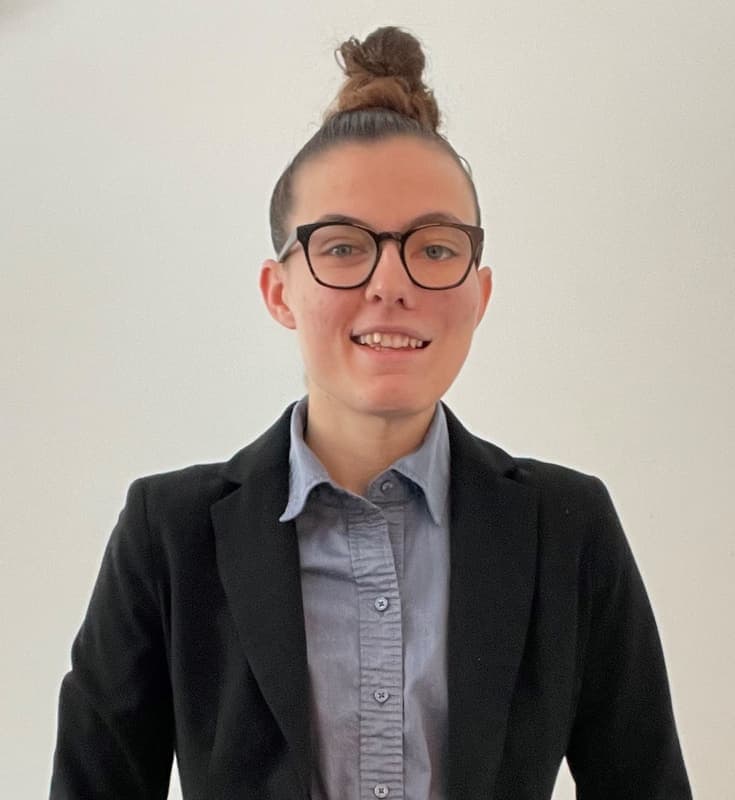
PhD Candidate
Formerly the lab’s Research Teaching Specialist IV and research technician.
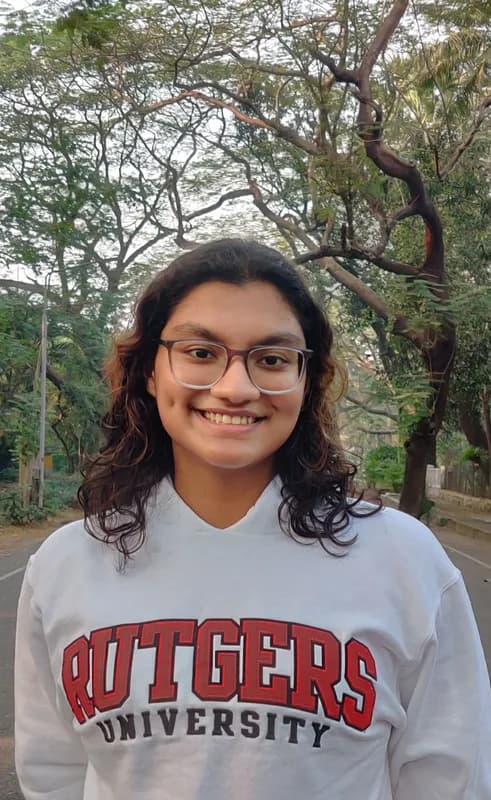
Undergraduate Student
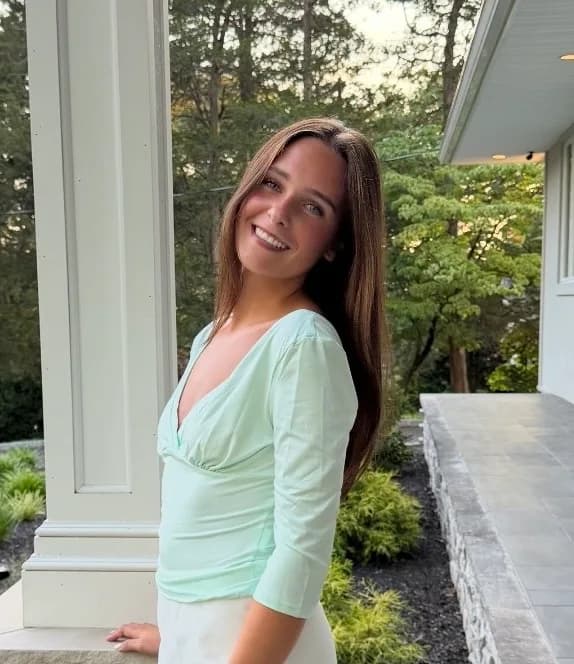
Undergraduate Student

Lab Member
Also in the lab: Carolina Plasencia, Joshua Thomas, Saloni Patel, Smrithi Amran and Mark Youssef.
The alumni are on the people page.